a Home for Psychiatric Care
2003 – The Silver Jubilee Year of St.Ignatius Hospital witnessed the dedication of Prem Dham – a Home for Psychiatric care to the individuals suffering from psychiatric illness. Managed by the Religious Congregation of the Missionary Sisters of the Queen of Apostles Congregation, this secure inpatient care unit provides comprehensive treatment for adult patients displaying wide variety of psychiatric symptoms and conditions as well for those at risk of complications occurring due to alcohol and drug abuse.
Objectives
- Alleviate the suffering of the mental ill individuals
- To enable the patients regain their mental peace through medical treatment and psychotherapy
- To help them improve their skills of adjustment and co-operation.
- To help the patients recover their professional skills through psychological rehabilitation
- To reincorporate them into their social environment
- To sensitize the families to understand and promote acceptance of the mentally ill.
Care Plan
The team consists of the
- Psychiatrist
- Registered Staff Nurse
- Psychologists
- Medical Social Workers
- Nursing Aides
- Auxiliary Staff
Their combined knowledge and experience enables delivery of the highest quality of care to the patients.
Enrolling as a member of Prem Dham
Following Registration, Case details are obtained and the inmate is evaluated by the Psychiatrist. On evaluation the care plan is drafted and the patient is thus motivated to move towards the recovery process.
Aim
To empower the individuals seeking intervention at Prem Dham to come to terms with their illness and lead a fulfilling life making use of appropriate coping strategies.
Medication
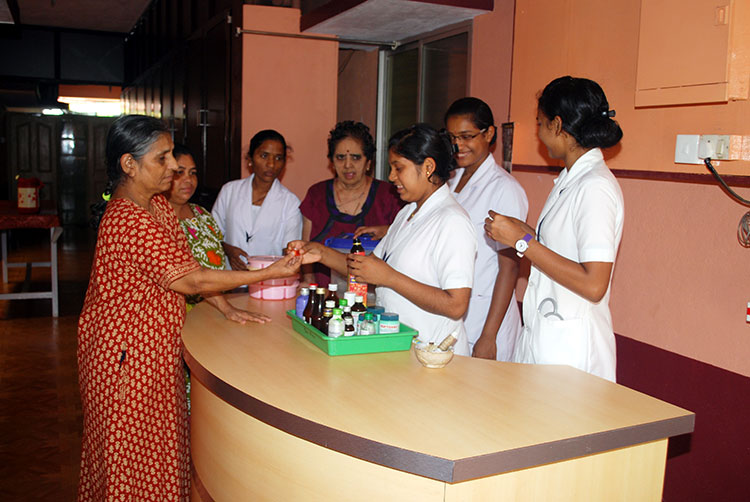
The Psychiatrist involved in treating the patient will place him on medication that is apt for the condition that he/she has been diagnosed with. Daily evaluation will be helpful in monitoring the daily doses
Psychotherapy
The trained professional will spend time with the inmate and help him in overcoming the emotional problem. Various types of therapies are followed based on the condition of the inmate such as cognitive behavioral therapy, Client centred therapy, guided imagery , psychodynamic therapy, or a combination of these—but at the center of each is the caring relationship between a mental health professional and a patient.
Group Therapy
Group therapy allows patients to give and receive immediate feedback about their concerns in a supportive, confidential environment. Patients are encouraged to identify and process feelings associated with negative life circumstances and through the help of counselors, explore issues in a social context that more accurately reflects real life.
Occupational Therapy
Occupational therapy treatment focuses on helping people achieve independence in all areas of their lives. This therapy focuses on adapting the environment, modifying the task, teaching the skill and educating the client/family in order to increase participation in and performance of daily activities. Occupational therapy can be vitally important in the overall mental health treatment process. Following are some common interventions:
- Life skills training
- Cognitive rehabilitation
- Supported employment
- Supported education
- Social and interpersonal skills training
- Life balance intervention
- Modalities such as biofeedback and mindfulness-enhanced therapy
Alcohol and Other Drug Abuse (AODA) Treatment
AODA treatment is offered to teach the skills and strategies needed to maintain a sober lifestyle and prevent relapse while interacting with the real world.
Interdisciplinary Care Planning
In times of emergency, when the inmate is suffering from other physical ailments, care will be taken to refer him/her to the specialist for further treatment.
Energising Atmosphere
Individualized treatment plans include:
- Maintaining and upholding personal safety
- Goal setting each day
- Provision of Nutritious and Apt diet
- Medication stabilization
- Focus on self improvement
- Ample exercise
- Safe detoxification
- Participation in our comprehensive therapy sessions
- Follow-up referrals to outpatient resources at discharge
- Creation of individualized recovery plan
- Facilitating therapeutic group sessions.
Daily exercises conducted with the help of student nurses, nurses and the social worker help in rejuvenating the inmate. Walks are encouraged in the evening to enable them to be physically fit.